Modern Machinery

Mumbai-based company that specializes in the manufacturing of paints

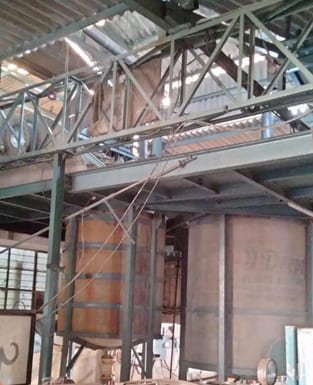
Batch Reactor

A typical batch reactor consists of a storage tank with an agitator and integral heating/cooling system. Batch reactors have adequate volume, temperature control and mixing to enable reagents, reactants and solvents to be introduced and the reaction completed inside the vessel in a timely manner. 

The advantages of the batch reactor lie with its versatility. A single vessel can carry out a sequence of different operations without the need to break containment.

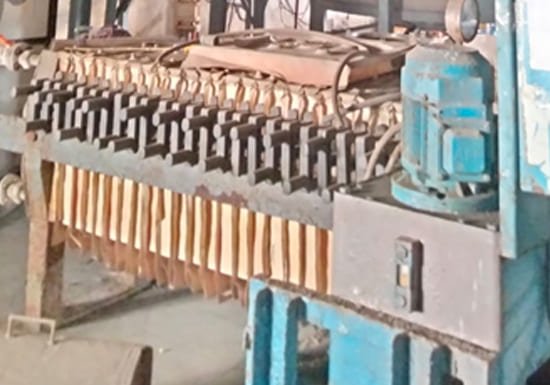
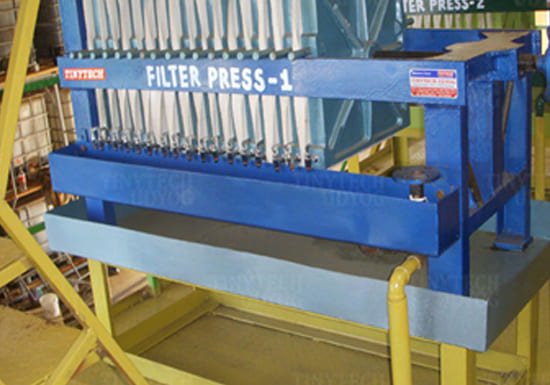
Filter Press

An industrial filter press is a tool used in separation processes, specifically to separate solids and liquids. The machine stacks many filter elements and allows the filter to be easily opened to remove the filtered solids, and allows easy cleaning or replacement of the filter media.

Filter presses cannot be operated in a continuous process but can offer very high performance, particularly when low residual liquid in the solid is desired.

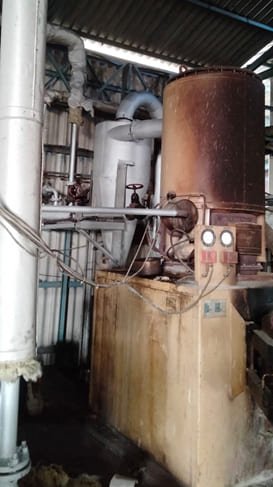
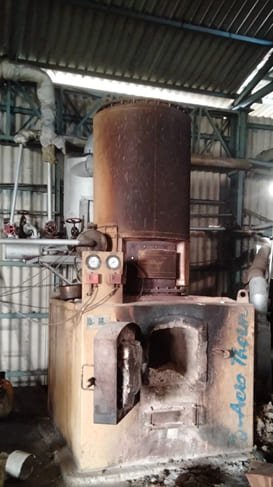
Industrial Furnace

A typical batch reactor consists of a storage tank with an agitator and integral heating/cooling system. Batch reactors have adequate volume, temperature control and mixing to enable reagents, reactants and solvents to be introduced and the reaction completed inside the vessel in a timely manner. 

The advantages of the batch reactor lie with its versatility. A single vessel can carry out a sequence of different operations without the need to break containment.

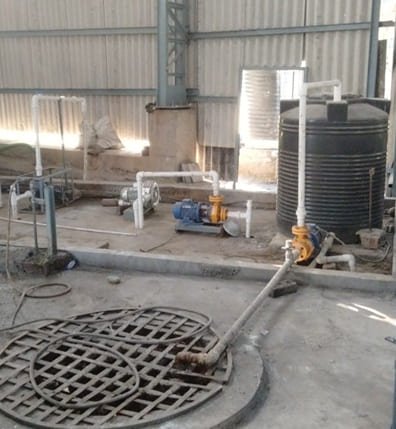
Effluent Treatment Plant

Industrial wastewater treatment describes the processes used for treating wastewater that is produced by industries as an undesirable by-product. After treatment, the treated industrial wastewater (or effluent) may be reused or released to a sanitary sewer or to a surface water in the environment.

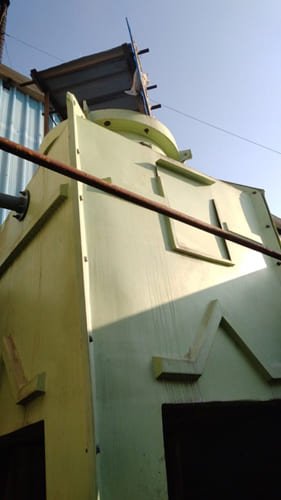
Cooling Tower

Wet cooling towers or evaporative cooling towers operate on the principle of evaporative cooling. The working coolant (usually water) is the evaporated fluid. Industrial cooling towers can be used to remove heat from various sources such as machinery or heated process material. The primary use of large, industrial cooling towers is to remove the heat absorbed in the circulating cooling water systems.

A cooling tower serves to dissipate the heat into the atmosphere instead and wind and air diffusion spreads the heat over a much larger area than hot water can distribute heat in a body of water.

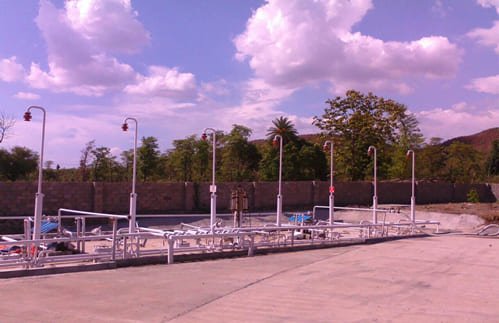
Underground Storage Tanks

Tanks are used to store fuel or other hazardous chemicals that your company needs on-site. Having a good sense of what your plant needs, your general plant layout, and what kind of storage flexibility you need will go a long way to helping you decide which type of tank you need. In general, if space on your plant grounds is of primary importance, an underground tank might be your best option. The very nature of an underground storage tank means that the tank itself is significantly more protected than an aboveground tank. Underground tanks are far less exposed to weather events, temperature changes, and corrosive environmental factors, which will reduce your repair and maintenance bills and extend the life of the tank. Moreover, such tanks are less likely to be tampered with or vandalized, which can be a problem with above ground tanks, especially those near the perimeter of a facility. Underground tanks also have certain inherent design benefits which make them safer. Much of this is tied to the ground insulating underground storage tanks from temperature fluctuations. Fewer temperature fluctuations reduce the possibility of fuel or gas expansion, which can lead to a pressure build-up or explosion. In the worst case, an underground tank fire is likely going to be easier to manage and contain, thanks again to the barrier that the ground provides. Finally, the tank is underground and out of the way after installation, ensuring that you have more room for other vital equipment in your plant’s layout. A large underground tank can do the job of several aboveground tanks, which frees up a significant amount of floor space for your plant.